On this trail you will discover, in 10 stages, the village's places of memory and picturesque sites.
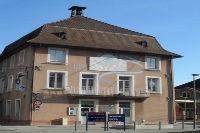
Stage 1: The town hall, a former priory acquired by the municipality on 12 November 1790 to serve as a communal house.
Stage 2: 19th-century neo-Gothic church
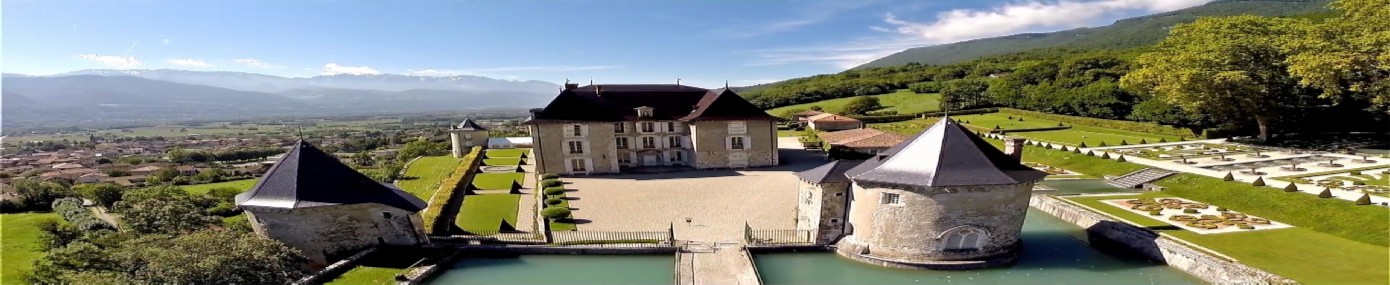
Stage 3: The Château de Maximy was built in 1703 in the classical architecture of the 17th-18th centuries, with interconnecting rooms separated by double doors on the garden side.
Stage 4: Rue de la Magnarerie. In 1850 there were 26000 mulberry trees and 12000m of dwarf mulberry hedges in the municipality for rearing silkworms, which clearly shows the importance of sericulture in the village.
Stage 5: Rue de la Ganterie. Many of the women of Barraux worked in glove-making.
Stage 6: Le Pigeonnier, a typical Chartreuse farm with its dovecote and its scale-tiled roof.
Stage 7: Fort Barraux was built in 1597 on French territory at the request of Charles Emmanuel of Savoy; the fort was retaken in 1598 by Lesdiguières.
Stage 8: Guinguette du Fort. The tramway line linking Chapareillan to Grenoble was built between 1899 and 1901.
Stage 9: La Maison Bèque was built before 1850 on the plot occupied by stables and a farm built in the 18th century.
Stage 10: The Château du Fayet, a 12th-century fortified house in which Charles de Valois, son of Charles IX and Marie Touchet, was born in 1573.
WHAT TO SEE ALONG THE TRAIL
Numerous wash houses and fountains line the trail. There are also traces of private bath-and-shower houses for public use.
Keep your eyes open, some are hard to spot.
The fountains served all the residents, who used them for their animals, washing themselves, housework… The wash houses can be recognised by their roofs, which sheltered the women from the rain and sun. The wash houses were mainly used for washing clothes.
The leaflet for this trail is available free of charge at the Grésivaudan Tourist Office.