On this heritage trail you will discover the village's places of memory and picturesque sites in 9 stages.
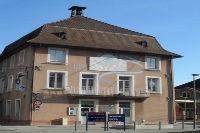
Stage 1: Town hall
A late-19th-century bourgeois building, formerly the family home of the Grangeneuve family. It was acquired by the municipality of Tencin in 1937 with a view to using it as the town hall and a community centre.
Stage 2: Mill
The mill was built in the mid-19th century and was an outbuilding of the Château de Monteynard.
It changed activity in the first half of the 20th century, when its owners at the time produced clinker.
Stage 3: Béal (mill race)
This small canal starts at the hydroelectric power station.
It was used to drive the wheel of the oil mill.
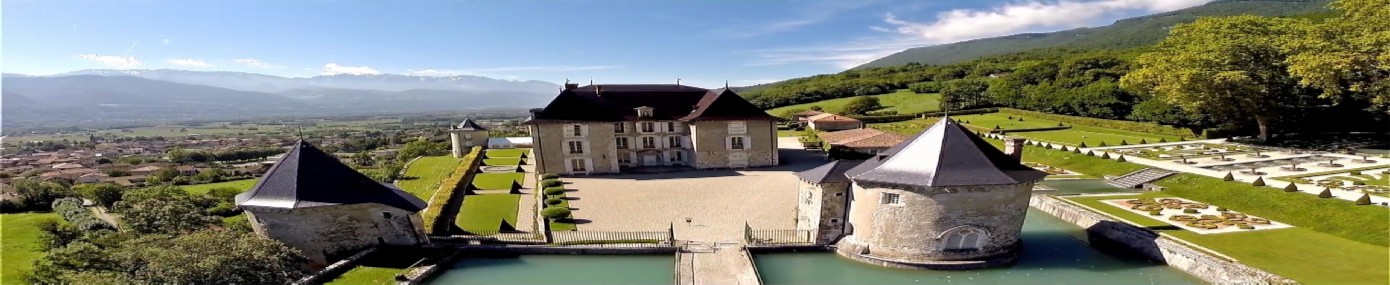
Stage 4: Château de Monteynard
The Château du Cruzille, known as the "Château de Monteynard", was built on the ruins of an older castle that was burnt down by the Protestants.
Louis Monteynard, Minister of War under Louis XV and founder of the Saumur Cavalry School, had the present building constructed.
Stage 5: Hydroelectric power station
Power station built in 1916 following an operating authorisation granted by prefectoral order on 21 December 1915.
The power station turbines the waters of the Merdaret, Batiards and Couvent mountain streams.
Stage 6: Wash house
This wash house, fed by the Béal, is decorated with a lion's head.
It was built in 1949 to allow the residents of the upper part of the old street to wash their laundry, as the other wash house of the time was more than 500 m away.
Stage 7: Church and presbytery
The church of Tencin has been dedicated to St John the Baptist for almost 1000 years.
It is a church in the classical style.
Abbé Calès arrived for his first mass on 7 December 1902.
He remained parish priest until his death on 15 October 1961.
Stage 8: Monteynard family vault
This Gothic chapel, from the Louis-Philippe period and in the Troubadour style, adjoining the municipal cemetery, is the burial vault of the Monteynard family.
It was built at the end of the 19th century.
Stage 9: Old farm
The old farm, known today as the "ferme Gaget", was formerly called
"ferme de la Grand Maison".
It dates from the second half of the 19th century.
Good walking shoes are recommended.